Home Cleaners in London
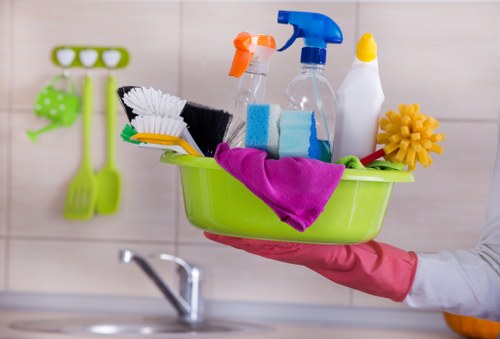
We provide home cleaning in London for households that want regular upkeep, occasional refreshes or more detailed cleaning support. The service is centred on practical domestic cleaning tasks that help keep rooms presentable, surfaces hygienic and everyday mess under control. If you are comparing options, the aim is simple: a straightforward service that focuses on the parts of the home that matter most, without unnecessary complication.
Our work can cover routine dusting, vacuuming, mopping, wiping down kitchen and bathroom areas, and tidying the visible high-use parts of the home. For some homes, that means a weekly or fortnightly maintenance clean. For others, it is a one-off visit before guests arrive, after a busy period or when the property needs a more thorough reset. Different homes need different levels of attention, so the service is built around the condition of the property and the rooms you want prioritised.
Use the site navigation to compare related domestic services, review our wider cleaning options and choose the best next step for your property. If you already know the kind of clean you need, a short enquiry is usually enough to begin the quotation process. We keep the service practical and flexible, with a focus on clear expectations and a result that suits normal home life.
Regular domestic cleaning for busy homes
Regular domestic cleaning is the foundation of many households’ upkeep. It is best suited to rooms that collect everyday dust, fingerprints, crumbs and bathroom residue, especially when a clean is needed on an ongoing basis rather than as a rare intervention. The work usually concentrates on the most used rooms first, then moves through the rest of the property in a planned order so that the visible finish stays consistent from one visit to the next.
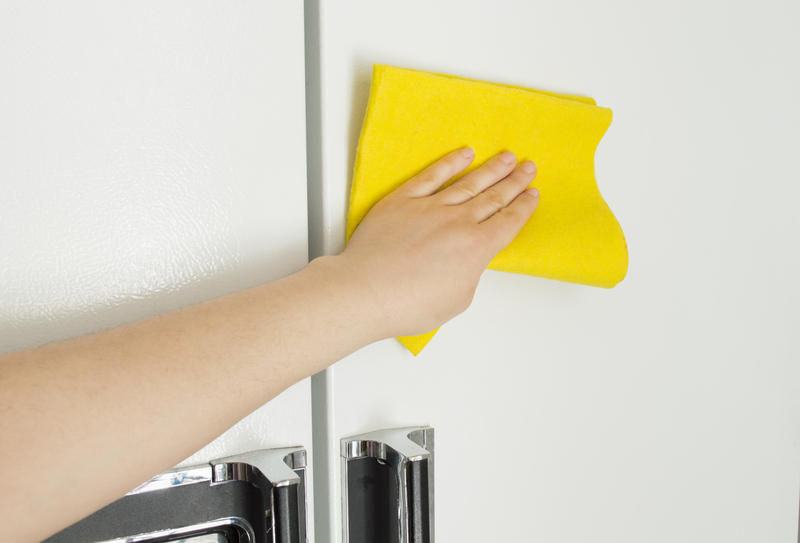
Typical tasks in this type of service include cleaning sinks and taps, wiping worktops, dusting reachable surfaces, refreshing bathroom fixtures, cleaning the outside of appliances where appropriate, and vacuuming or mopping floors. In homes with pets, children or frequent visitors, the emphasis can shift towards floors, touchpoints and the spaces that collect mess most quickly. Where a room has heavier buildup, a more detailed approach may be more suitable than a standard tidy clean.
What a regular visit can focus on
To make the most of a scheduled clean, it helps to think in terms of room priority rather than a vague wish for a “full cleanâ€. A sensible brief might include:
- kitchen surfaces, sinks and splash-prone areas
- bathrooms, toilets, basins and mirrors
- floors, skirting edges and reachable dust points
- living rooms, bedrooms and hallways that need a reset
- selected extra tasks where time allows and the brief is clear
Deep cleaning and more detailed home care
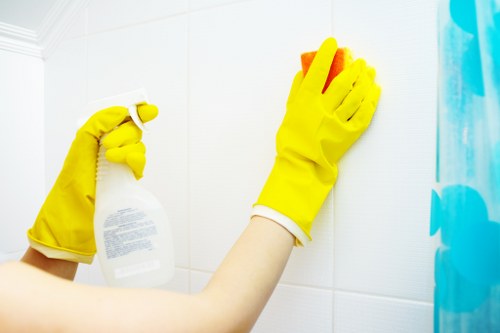
Deep cleaning is suited to homes that need more than routine upkeep. It generally involves slower, more detailed attention to corners, edges and overlooked areas, with the aim of reducing built-up grime rather than simply maintaining a surface-level tidy. This type of clean can be useful when a property has not had intensive attention for some time, when seasonal cleaning is due, or when you want the home to feel noticeably fresher after a period of use.
Depending on the brief, deep cleaning may include more thorough bathroom work, closer attention to kitchen grease, limescale and splash marks, and a broader pass over fixtures, fittings and reachable detailing such as switches and door frames. It can also involve moving through the home room by room so that each space receives a careful check rather than a quick turnover. For some properties, this is the most suitable option before a switch back to lighter ongoing maintenance.
Because deep cleaning is more detailed, it is usually worth distinguishing between essential work and optional extras. That clarity helps the clean stay focused and avoids leaving anything important out of the plan. If there are especially delicate finishes, awkward access points or areas you want handled in a particular way, mention them early so the scope can be kept realistic and the quotation reflects the work required.
Kitchen and bathroom priorities
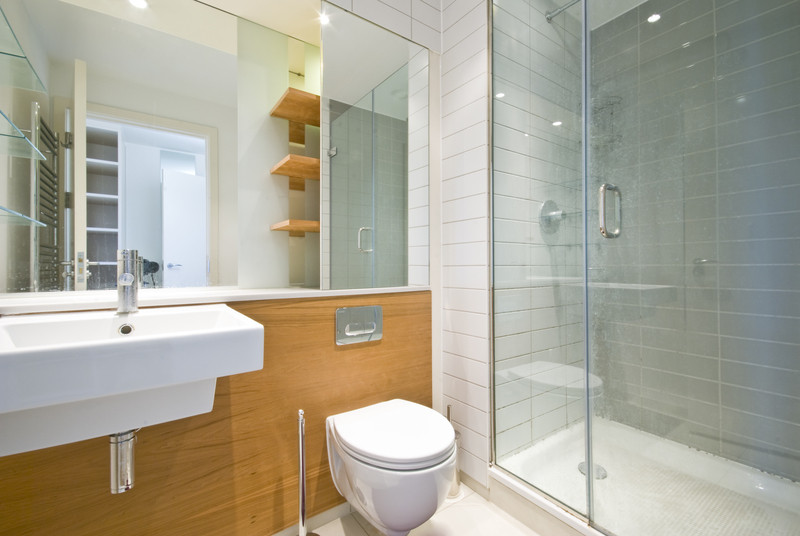
Kitchens and bathrooms normally shape how a home feels after cleaning, because they are the spaces where grease, steam, moisture and repeated touchpoints create the fastest visible wear. A good domestic clean gives these rooms proper attention rather than treating them as an afterthought. In kitchens, that often means worktops, sinks, cupboard fronts, appliance exteriors and floor areas; in bathrooms, it usually means sanitaryware, tiles, mirrors, taps and other surfaces that show water marks quickly.
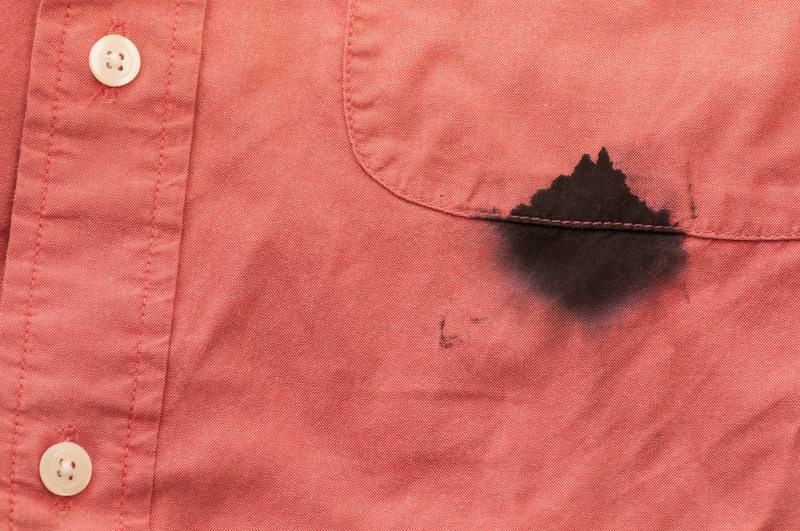
Different materials need different handling. Glossy surfaces, stone-effect tops, tiled splashbacks, chrome fittings and painted cupboards can all require careful product selection and method. A considered clean avoids harsh treatment that could leave streaks, residue or unnecessary wear. When a room includes stubborn soap scum, cooking residue or scale, the work can take longer and may need a more patient approach than a fast standard visit.
For households that want a better finish in these rooms, it often makes sense to specify the items that matter most. That might include the hob area, shower screens, grout lines, extractor covers or the front of appliances. Clear priorities make the clean more efficient and help ensure the most visible parts of the room are addressed first.
Bedrooms, living areas and the parts people notice first
Bedrooms and living spaces are often judged by dust, floor condition and the general sense of order they give off. These rooms may not demand the same grease and moisture treatment as kitchens and bathrooms, but they do affect how the whole property feels. Regular cleaning in these areas often focuses on vacuuming, dusting, wiping reachable surfaces and restoring a calmer appearance to furniture, flooring and traffic paths.
Where bedrooms are included, the cleaning plan can usually stay straightforward: bedsides, visible surfaces, skirting-level dust, flooring and any obvious clutter left clear for the visit. In living rooms, attention may fall on sofas, shelves, coffee tables, window ledges and the edges where dust settles. If a room includes fragile objects, cables, entertainment equipment or decorative finishes, it is sensible to note that in advance so the clean can be carried out carefully and without guesswork.
These rooms often benefit from a practical rather than overcomplicated approach. A clear list of priorities keeps the visit efficient, especially when you want the main social areas of the home ready for everyday use. If you are preparing to request a quotation, think about which rooms matter most and which tasks are essential before anything else.
One-off cleaning and occasional refreshes
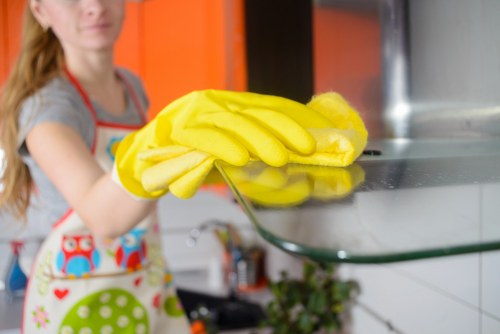
One-off home cleaning is useful when a property needs a single focused visit rather than a recurring plan. That can include an in-between reset, a pre-event refresh, a post-holiday catch-up or a clean after a particularly busy period. The service is best used when the objective is to bring the home back to a tidy, comfortable standard in a limited number of hours or within a fixed visit plan.
This type of clean works well when you know the rooms are generally sound but need a noticeable improvement in presentation. It can be directed towards floors, surfaces, bathrooms, kitchen details and any areas that have drifted from normal upkeep. If you have particular expectations, it helps to separate what must be done from what would simply be nice to have. That allows the quotation to reflect the scale of the job more accurately and keeps the visit realistic.
For occasional cleans, preparation is usually simple: clear the areas that matter most, make access easy and note any items that should not be moved. A concise brief saves time later and helps avoid misunderstandings about what is included. If you are comparing a one-off service against a regular plan, consider how often your home needs attention and whether the priority is maintenance or a more visible reset.
Specialist domestic tasks and add-on options
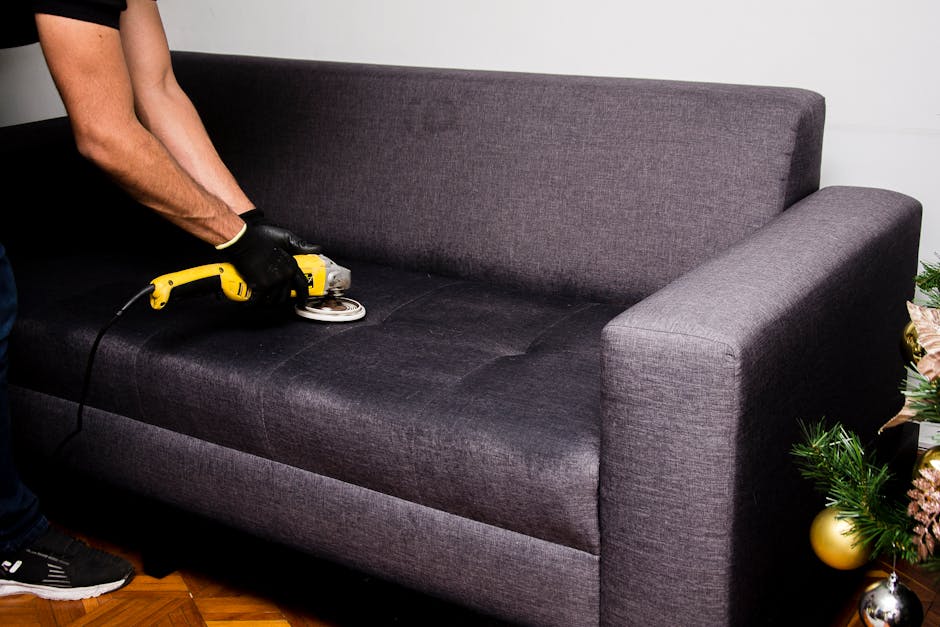
Some homes need more than the general clean described above. Domestic cleaning can be expanded with task-based options where the property and the brief make sense, especially when certain rooms or fittings need concentrated attention. Common examples include oven cleaning, carpet cleaning, upholstery cleaning, window cleaning and hard floor cleaning, each of which addresses a different part of the home and uses a different method.
These tasks are best approached as separate areas of work rather than as interchangeable extras. An oven, for example, usually demands a more intensive degreasing process than a worktop. Carpets and rugs require attention to fibres and drying considerations, while hard floors depend on the finish and any sensitivity to moisture or abrasion. If a home needs several specialist tasks in one visit, it is sensible to set them out clearly so the clean can be planned in the right order.
Where a household wants a broader refresh, specialist cleaning can be combined with the main domestic service. The best outcome usually comes from matching the method to the material and the level of soiling, rather than trying to treat every surface the same way. That is especially important when floors, fabrics and appliances are all part of the same request.
About London
London is a large and historically layered capital city shaped by the River Thames, a patchwork of boroughs and centuries of expansion. Its origins as Londinium under Roman rule left traces beneath the modern street plan, while later periods added medieval, Georgian, Victorian and contemporary layers that still define many districts today. The city’s scale is part of its character: from the dense streets of the West End and the City of London to the more residential areas of outer boroughs, London combines commercial energy with local neighbourhood identities. The Thames remains one of its most important physical features, crossed by bridges old and new, and lined with quays, embankments and riverside paths that reflect the city’s changing relationship with water, trade and public space.
How we approach quotations
When you request a quotation, the most useful information is the type of service you want, the size and condition of the property, and any rooms or tasks that need priority. A clear description of the job helps avoid unnecessary back-and-forth and makes it easier to match the scope to the time and attention required. If certain areas are especially neglected, unusually large or fitted out with delicate surfaces, those details should be included from the start.
Photographs can be helpful where they show the real condition of the space, but they are not the only way to explain a job. A brief written summary can work just as well if it covers the key points: the number of rooms, the main tasks, any special access issues and any items that should be handled with care. If you are unsure how much detail to provide, keep it straightforward and focus on what would affect the clean itself. The aim is a fair, usable quotation, not a long form with unnecessary questions.
If you are ready to take the next step, contact us with the rooms you want cleaned and the kind of finish you need. You can ask for a quotation now and compare the service options that suit your home best.
Why a clear cleaning plan matters
A clear plan makes domestic cleaning more effective because it defines where effort should go first. Not every room needs the same treatment, and not every household wants the same level of detail. A structured brief helps separate routine maintenance from more detailed work, which is especially useful when a home includes mixed surfaces, high-traffic rooms and specialist items that need different methods. It also makes it easier to decide what belongs in the base clean and what should be treated as an extra task.
This is particularly helpful in properties where the condition varies from room to room. One bathroom may only need a wipe and polish, while another needs more concentrated work around fittings, glass and grout. A kitchen might need general surface cleaning, but an oven or hob area may deserve extra attention. By setting the priorities clearly, you avoid paying for effort in the wrong places and make it easier to judge whether a regular service or a one-off visit is the better fit.
When preparing your enquiry, think in practical terms: rooms, surfaces, problem spots and any limits on access. That is usually enough to shape an accurate quotation and a sensible cleaning plan. If you prefer a simple way to begin, send the essentials first and build from there.
Domestic cleaning choices for different homes
Not every home needs the same cleaning pattern, and the right option often depends on routine, layout and the level of use the property receives. A compact flat may need regular dusting and floor care with light kitchen and bathroom attention, while a larger house may benefit from more structured room-by-room planning. If your home includes busy communal areas, multiple bathrooms or rooms that are not used every day, those spaces may need different priorities from bedrooms or guest rooms.
H3 support is useful here because the decision is rarely about one room alone; it is about how the whole home functions. The service can be adapted to maintain order, improve presentation or reset the property after more intense use. In practical terms, that means choosing the right balance between frequency, detail and special tasks. Where a house has pets, children or more frequent visitors, the highest-traffic areas often deserve the first share of the time available.
If you are undecided between a regular domestic clean and a more detailed visit, it is usually best to start with the condition of the rooms rather than with a label. Describe what you can see, what bothers you most and what outcome you want. That gives a much clearer basis for a quotation than a vague request for “a clean homeâ€.
Final checks before you request a quotation
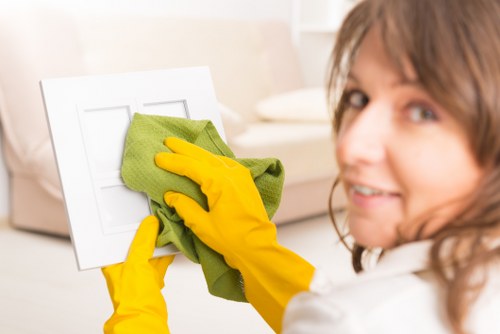
![A young woman with wavy brown hair and light skin is standing in a bright kitchen, smiling at the camera while performing cleaning tasks. She is wearing a colorful floral top and pink trousers, with orange rubber gloves on her hands. She holds a pink cleaning cloth in one hand and appears to be wiping or polishing a white kitchen appliance, possibly a microwave or breadmaker, positioned on a white countertop. The kitchen features natural light coming through large windows in the background, illuminating the space and highlighting the clean, smooth surfaces of the countertop and appliances. The overall scene conveys a professional and thorough approach to home cleaning, reflecting high standards in maintaining a tidy and hygienic environment, suitable for a residential service like those offered by Home Cleaners in London, within the [POSTCODE] area.](/pub/_photos/cleaning/f1650651536.jpg)
Before sending an enquiry, it helps to confirm the property address area, the number of rooms to be cleaned and whether you want a standard domestic clean, a deep clean or a mix of both. If there are carpets, upholstery, ovens, hard floors or windows that also need attention, list them separately so they can be considered properly. This keeps the request focused and reduces the chance of missing an important detail from the scope.
You do not need to over-explain the house or create a long checklist. A short, accurate summary is usually enough when it includes the rooms involved, the condition of the space and any features that need careful handling. If access is awkward or there are items you prefer not to move, mention that too. The more precise the brief, the easier it is to prepare a quotation that reflects the real work involved.
When you are ready, ask for a quotation and choose the cleaning approach that suits your home. If you want to move ahead, send your details and we will help shape the right domestic cleaning plan for your property.