Achieve a Healthier Home by Minimizing Dust and Allergens
Introduction
It's easy to ignore dust until you see it sparkling in a beam of sunlight. But that shimmering haze carries far more than simple dirt. House dust is a complex mix of skin cells, fibres, soot, pollen, pet dander, dust mite fragments, mould spores and microscopic particles that can aggravate allergies and asthma, reduce sleep quality, and quietly erode your overall wellbeing. If you want to achieve a healthier home by minimizing dust and allergens, you're in the right place.
This comprehensive, expert-driven guide translates the latest best practices, UK standards, and practical home-care strategies into an actionable plan you can start today. You'll learn exactly how to remove sources of dust, capture what's left, and design daily habits that maintain a cleaner, healthier indoor environment year-round.
Goal: Help you achieve a healthier home by minimizing dust and allergens with proven steps, smart tools, and evidence-informed advice that outperforms quick fixes and gimmicks.
Table of Contents
- Why This Topic Matters
- Key Benefits
- Step-by-Step Guidance
- Expert Tips
- Common Mistakes to Avoid
- Case Study or Real-World Example
- Tools, Resources & Recommendations
- Law, Compliance or Industry Standards (UK-focused)
- Checklist
- Conclusion with CTA
- FAQ
Why This Topic Matters
Indoor air can be more polluted than outdoor air, and we spend roughly 90% of our time indoors, often with windows closed and heating or cooling recirculating air. Dust and allergens are a leading driver of indoor air quality (IAQ) problems. In the UK, an estimated 5+ million people receive treatment for asthma, and many more have allergic rhinitis (hay fever). Exposure to dust mites, pet allergens, and fine particles (PM2.5) is a known trigger for asthma exacerbations and allergy symptoms.
From a health perspective, persistent exposure to indoor allergens and fine particles is linked with: nasal congestion, itchy or watery eyes, coughing, wheezing, shortness of breath, sleep disruption, and lower daytime energy and concentration. Children, older adults, and anyone with respiratory sensitivities are especially vulnerable. Furthermore, elevated humidity and dust accumulation can foster mould growth--a recognised hazard under UK housing health and safety criteria.
International guidelines such as the WHO Global Air Quality Guidelines highlight the importance of reducing fine particle exposure. While much attention focuses on outdoor pollution, it's what collects on your soft furnishings, carpets, and bedding--and what your family breathes all night--that often has the strongest day-to-day impact.
Key Benefits
- Healthier breathing: Lower levels of dust mites, animal dander, pollen and mould spores can reduce respiratory irritation and allergy symptoms.
- Better sleep quality: Cleaner bedding, less nighttime sneezing, and fewer congested mornings lead to more restorative sleep.
- Improved focus and comfort: Cleaner air supports cognitive function and reduces the fatigue associated with chronic low-level exposure to irritants.
- Less time cleaning: Once your home is set up for dust prevention (not just removal), you'll spend less time chasing particles.
- Protection for furnishings and electronics: Dust is abrasive and can clog vents, shortening the life of fans, radiators, electronics and filters.
- More welcoming home: A fresh, low-allergen home feels calmer, smells better, and supports the wellbeing of everyone who visits.
Step-by-Step Guidance
The following sequence is designed to help you achieve a healthier home by minimizing dust and allergens efficiently. Tackle the steps in order for best results.
1) Audit Your Indoor Air and Surfaces
- Walkthrough assessment: Identify dust hotspots (tops of wardrobes, under beds, skirting boards, blinds, radiator fins, behind appliances, and inside wardrobes).
- Check humidity: Place a hygrometer on each floor. Aim for 40-50% relative humidity (RH) to discourage dust mites and mould.
- Spot moisture issues: Look for condensation on windows, cold corners, and signs of mould or musty odours.
- Note fabrics and clutter: Carpets, heavy drapes, plush toys and stuffed bookshelves trap dust. Clutter complicates cleaning.
- Consider a consumer PM2.5 sensor: A simple monitor can help you understand real-time particle levels and track improvements.
2) Block and Capture Dust at the Door
- Adopt a shoe-free policy: Shoes track in particulates, pollen and microbes. Provide a bench and storage near the door to make it easy.
- Use two doormats: A rough outdoor mat to scrape debris, and an absorbent indoor mat to capture the remainder.
- Pet routine: Keep a microfiber towel near the door to wipe paws and coats after walks.
3) Dust in the Right Order, With the Right Tools
- Work top-to-bottom: Start with ceiling corners, light fixtures, and high shelves; finish with floors.
- Use microfiber, not feather dusters: High-quality microfiber captures particles electrostatically. Slightly dampen cloths for better capture.
- Vacuum last: A sealed vacuum with HEPA filtration (preferably H13 under EN 1822) ensures captured dust stays captured.
4) Master the Vacuum
- Choose a sealed system HEPA vacuum: Look for a fully sealed body, a high-efficiency motorised brush, and a genuine HEPA filter (H13 or better).
- Use the right attachments: Crevice tools for skirting boards, soft brushes for blinds and radiators, upholstery tools for sofas and mattresses.
- Frequency: High-traffic areas 2-3 times per week; bedrooms at least weekly; mattresses monthly with slow, thorough passes.
- Maintenance: Empty canisters outdoors, clean filters as per manufacturer guidance, and replace HEPA filters on schedule.
5) Wash Away Allergens
- Bedding: Wash sheets weekly at 60?C if tolerated by fabric; pillowcases may benefit from mid-week swaps.
- Pillow & mattress encasements: Choose allergen-proof encasements with fine pore size (<10 microns) to block mites and dander.
- Soft furnishings: Wash curtains and throws seasonally. For non-washable items, use a garment steamer or thorough vacuuming.
- Plush toys: Bag and freeze for 24 hours to kill dust mites, then wash if possible.
6) Control Humidity and Moisture
- Maintain 40-50% RH: Use a dehumidifier in damp spaces; avoid over-humidification in winter.
- Ventilate during moisture spikes: Run kitchen and bath extractors during and after cooking or showering for at least 15-20 minutes.
- Fix leaks fast: Address plumbing leaks, failed seals, or rain ingress promptly to prevent mould-friendly conditions.
7) Improve Filtration and Ventilation
- Mechanical ventilation: If you have MVHR or MEV, ensure regular filter replacement. For MVHR, seek filters rated under ISO 16890 (ePM1/ePM2.5).
- Room air purifiers: Select units with true HEPA (H13/H14) and a Clean Air Delivery Rate (CADR) matched to room size. Place away from walls and obstructions.
- Strategic window use: Ventilate during lower pollen times (often late evening) and low-traffic periods to minimize outdoor particle ingress.
- Cooking control: Use a ducted hood where possible; for recirculating hoods, maintain grease and carbon filters diligently.
8) Reduce Dust Reservoirs
- Declutter: Clear surfaces and floors to make cleaning faster and more effective.
- Choose low-shed materials: Opt for short-pile rugs, washable covers, and tightly woven fabrics.
- Smart storage: Box seldom-used items in sealed containers to prevent dust accumulation.
9) Pet Allergen Management
- Regular grooming: Brush pets outdoors; consider bathing schedules recommended by your vet.
- Bedroom boundaries: Keep pets out of sleeping spaces if allergies are significant.
- Wash pet bedding weekly: At 60?C where fabric allows.
10) Seasonal and Lifestyle Tactics
- Pollen season: Keep windows closed on high pollen days, run purifiers, and change clothes after outdoor activities.
- Heating season: Dust radiators and convectors; dry laundry in a ventilated space to avoid spikes in humidity.
- After renovations: Use containment (zip-door barriers), negative air machines with HEPA, and thorough post-build cleaning.
Expert Tips
- Microfiber quality matters: Choose tightly woven microfiber cloths (e.g., 300+ GSM) and avoid fabric softener when washing--they reduce electrostatic performance.
- HEPA means sealed: A HEPA filter is only as good as the housing; prefer vacuums and purifiers with a certified sealed design to prevent bypass leaks.
- Encasements are high ROI: Allergen-proof encasements on pillows and mattresses deliver outsized benefits for dust mite reduction, especially for sensitive sleepers.
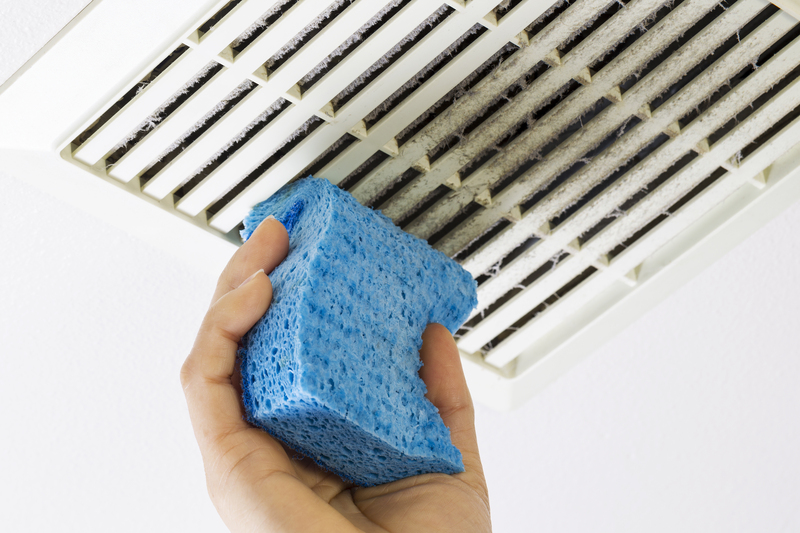
- Mind the vents: Vacuum and wipe return air grilles, radiator fins, and fan covers regularly--they're dust magnets that re-aerosolize particles.
- Choose fragrance-free, low-VOC products: Avoid scented aerosols and powders that add irritants or residue; fragrance-free cleaners cut odour without new triggers.
- Set reminders: Calendar filter replacements, deep cleans, and seasonal tasks; consistency beats intensity.
- Location of air purifiers: Place them near the source (sleeping area, living area) and run at a continuous low or auto mode for stable IAQ improvements.
- Humidifier discipline: If you use one, clean and disinfect per manufacturer guidance to avoid microbial growth; keep RH under 50%.
- Quick wins: A shoe rack, entry mats, and a dedicated dusting kit by floor can reduce friction and boost adherence to routines.
Common Mistakes to Avoid
- Feather dusters and dry cloths: They simply redistribute particles into the air; use damp microfiber.
- Ignoring mattresses and pillows: A major reservoir for dust mites; use encasements and vacuum monthly.
- Over-humidifying: RH above ~55% favours mites and mould; monitor with a hygrometer.
- Neglecting extraction fans: Dirty or underused kitchen/bath fans mean higher humidity and more dust-binding moisture.
- Relying on tiny purifiers: Undersized units won't dent particle loads; match CADR to room volume.
- Using carpet powders and strong fragrances: They leave residues and can provoke respiratory symptoms.
- Infrequent vacuum maintenance: A clogged vacuum re-releases dust; maintain filters and seals.
- Ventilating at the wrong time: Open windows during high-traffic or high-pollen periods and you'll import a new dust load.
- Forgetting soft furnishings: Curtains, throws, and cushions are dust sinks; wash or vacuum them periodically.
- Ozone or ionizer devices: Some emit ozone, a lung irritant. Prefer true HEPA and activated carbon without ozone.
Case Study or Real-World Example
Profile: A family of four in a semi-detached home in Greater Manchester, including a 7-year-old with seasonal allergies and mild asthma. The house has carpets upstairs, laminate downstairs, two cats, and an older extractor in the kitchen.
Baseline: Their low-cost sensor showed PM2.5 levels averaging 22 ug/m? in the evenings (cooking and family time) and frequent nighttime congestion in the child's bedroom. Bedding was washed fortnightly at 40?C, no mattress encasements, and vacuuming was once weekly with a non-sealed vacuum.
Interventions:
- Adopted shoe-free entrance, two doormats, and decluttered surfaces.
- Switched to a sealed HEPA H13 vacuum; added monthly mattress vacuuming and allergen-proof encasements.
- Washed bedding weekly at 60?C; washed curtains and throws seasonally.
- Installed a properly sized HEPA air purifier in the child's bedroom and living room; positioned away from walls.
- Improved kitchen extraction and used lids while cooking.
- Maintained RH between 40-50% with a small dehumidifier and better bathroom vent usage.
Outcomes after 8 weeks:
- Evening PM2.5 average fell to 8-10 ug/m?; nighttime peaks dropped substantially.
- Reported fewer nighttime symptoms and improved sleep for the child.
- Less visible dust on surfaces by mid-week; cleaning felt easier and faster.
Note: Consumer sensors vary in accuracy, but consistent reductions across multiple measurements and subjective symptom improvements strongly suggested better IAQ. This is a typical outcome when combining source control, filtration, and routine maintenance.
Tools, Resources & Recommendations
To genuinely achieve a healthier home by minimizing dust and allergens, invest in tools that meet recognised standards and prioritize function over hype.
Essential Tools
- Sealed HEPA vacuum: Look for HEPA H13/H14 (EN 1822) and a sealed design. Motorised brush heads for carpets; soft brush tools for delicate surfaces.
- Microfiber cloths: Tight weave, high GSM, edge-stitched to increase lifespan. Keep separate cloths for bathrooms and kitchens.
- Allergen-proof encasements: Zippered, fine pore (<10 microns) for mattresses and pillows.
- Air purifiers: True HEPA with CADR scaled to room volume; activated carbon if odours and gases are concerns. Avoid ozone-generating features.
- Hygrometers: One per floor; consider a smart model for continuous tracking.
- Dehumidifier: Choose a model with adequate extraction rate (e.g., 10-20 L/day for damp rooms) and a humidity set-point.
- Entry mats: Coarse outdoor scraper and absorbent indoor mat; large enough to take several steps.
- Radiator and vent brushes: Narrow, flexible tools to dislodge hidden dust.
Desirable Extras
- PM2.5 sensor: Helps you validate changes and time ventilation.
- Garment steamer: Useful for refreshing curtains and soft furnishings between washes.
- Robot vacuum: Supplementary daily maintenance, but not a substitute for a high-quality main vacuum.
Trusted Knowledge Sources
- Asthma + Lung UK: Practical guidance for people with asthma and allergies.
- NHS: Evidence-based advice on respiratory health and home hygiene.
- UK Health Security Agency (UKHSA): Public health guidance on damp and mould.
- HSE: Technical guidance on ventilation and workplace IAQ (useful principles for homes).
- WHO Air Quality Guidelines: Context for PM2.5 exposure and health.
Law, Compliance or Industry Standards (UK-focused if applicable)
While private homeowners aren't typically bound by workplace IAQ rules, several UK regulations and standards are useful benchmarks--especially for landlords, property managers, and professional cleaners.
- Building Regulations Part F (Ventilation): Sets minimum ventilation requirements. Good practice includes maintaining and using extract fans and, where fitted, ensuring MVHR systems run correctly with appropriate filters.
- Homes (Fitness for Human Habitation) Act 2018 and HHSRS (Housing Health and Safety Rating System): Damp and mould are hazards that landlords must address; addressing moisture and condensation is key to allergen control.
- BS 5250: Management of moisture in buildings: Provides guidance on condensation, damp and mould prevention--critical for reducing dust/allergen binding and mould spores.
- ISO 16890 (air filter testing and classification): Replaced EN 779. Look for ePM1/ePM2.5 ratings for mechanical ventilation filters.
- EN 1822 (HEPA/ULPA filters): Classifies HEPA efficiency (H13/H14). Prefer H13+ for allergy-focused purifiers and sealed vacuum systems.
- EN 149 (FFP respirators): If you use PPE during heavy cleaning or mould remediation, FFP2/FFP3 can provide adequate particle protection when fitted properly.
- UK REACH & CLP: Cleaning products must be labelled for hazards. Choose low-VOC, fragrance-free products, and always follow safety instructions.
- Biocidal Products Regulation (retained GB): Disinfectants and biocides must be authorised; avoid unapproved antimicrobial claims.
- COSHH (for professionals): If you operate a cleaning service, you must assess and control exposure to cleaning chemicals and dust.
Adhering to these standards helps build a safe, healthy, and legally compliant approach to indoor air, especially in rentals and managed properties.
Checklist
- Entrance control: Two doormats, shoe-free policy, pet wipe-downs.
- Smart dusting: Damp microfiber, top-to-bottom sequence, weekly surfaces.
- Vacuuming: Sealed HEPA vacuum, high-traffic 2-3x weekly, mattresses monthly.
- Bedding hygiene: Wash at 60?C weekly; encase mattresses and pillows.
- Humidity management: Maintain 40-50% RH, use extractors, fix leaks quickly.
- Air purification: HEPA purifiers appropriately sized; maintain filters.
- Ventilation: Time window opening to low-pollen/low-traffic periods; run kitchen/bath fans.
- Declutter: Reduce dust reservoirs; store rarely used items in sealed containers.
- Pet care: Regular grooming outdoors; wash pet bedding weekly.
- Maintenance reminders: Schedule filter changes, deep cleans, and seasonal laundering.
Conclusion with CTA
Creating a cleaner, calmer, and healthier home isn't about chasing dust with a duster--it's about a systematic approach that stops dust at the door, captures it efficiently, and prevents the moisture conditions that let allergens thrive. By combining source control, smart cleaning routines, effective filtration, and well-timed ventilation, you can achieve a healthier home by minimizing dust and allergens--and keep it that way with less effort over time.
Start with a quick audit, upgrade your vacuum and bedding habits, and dial in humidity. Then layer on an appropriately sized purifier and a few seasonal strategies. The payoff is measurable: clearer air, better sleep, fewer flare-ups, and a home that truly supports wellbeing.
Get a free quote today and see how much you can save.
FAQ
How often should I vacuum to reduce dust and allergens?
Vacuum high-traffic areas two to three times weekly and bedrooms at least once weekly. Use slow, overlapping passes with a sealed HEPA vacuum and vacuum mattresses monthly.
Do I need a HEPA H13 vacuum, or is any HEPA filter fine?
Prioritise a sealed system with genuine HEPA H13 (EN 1822) filtration. A HEPA label without a sealed housing can still leak dust back into the air.
What is the ideal indoor humidity to limit dust mites and mould?
Aim for 40-50% relative humidity. Use extract fans in kitchens and bathrooms, fix leaks quickly, and run a dehumidifier in damp spaces.
Are air purifiers worth it for allergy relief?
Yes--when correctly sized and placed. Choose a true HEPA purifier with adequate CADR for the room. Run it continuously on low or auto and replace filters on schedule.
Should I remove carpets to improve indoor air quality?
Not always. Short-pile carpets maintained with a strong HEPA vacuum can work well. If allergies are severe, consider hard flooring plus washable rugs.
How should I wash bedding to remove allergens?
Wash sheets weekly at 60?C if fabric allows. Use allergen-proof encasements on pillows and mattresses, and consider a mid-week pillowcase change.
Do indoor plants improve dust and allergen levels?
Plants are great for ambience, but they do little to remove airborne particles. Some can add pollen or mould risk if overwatered. Focus on ventilation and filtration first.
What cleaning products are best for sensitive households?
Choose fragrance-free, low-VOC cleaners and avoid scented aerosols and carpet powders. Always follow UK CLP-labelled safety guidance and avoid mixing chemicals.
Is a robot vacuum enough on its own?
Robot vacuums are helpful for maintenance but won't replace a powerful, sealed HEPA upright or canister. Use the robot to reduce daily build-up and deep-clean weekly.
Can I open windows if I have allergies?
Yes, but time it well. Ventilate during low-pollen and low-traffic periods (often late evening). Use purifiers during high-pollen days and keep windows closed if counts are severe.
Are ionizers or ozone generators safe for home use?
Avoid devices that emit ozone, a respiratory irritant. Prefer purifiers with true HEPA and activated carbon that explicitly state zero ozone emission.
How often should I replace air purifier and MVHR filters?
Follow manufacturer intervals--often 6-12 months for HEPA filters and 3-6 months for pre-filters, depending on use. For MVHR, check ISO 16890-rated filters and inspect quarterly.
What about dust on radiators and vents?
Use a soft brush or radiator brush to dislodge dust, then vacuum. Clean grilles and fins regularly to prevent recirculation of particles.
How can I measure my progress?
Use a PM2.5 sensor to monitor particle levels, a hygrometer for humidity, and track sleep or symptom changes. Look for steady reductions and more stable readings.
Do allergen-proof encasements really work?
Yes. High-quality encasements with fine pore sizes block dust mite allergens from escaping bedding. Combine with regular hot washing for best results.
What is the quickest daily habit that makes a difference?
Control the entrance: shoe-free policy, two doormats, and quick wipe-down of pet paws. This simple routine prevents a large share of incoming dust.
Can strong fragrances mask dust problems?
Fragrances only cover odours and can add irritants. Tackling the source--dust capture, filtration, and humidity control--is the only reliable solution.
Is 40-50% humidity realistic in UK homes?
Yes, with proper extraction in kitchens/bathrooms, controlled window ventilation, and dehumidifiers in damp rooms. A hygrometer helps you fine-tune.
How do I align with UK standards without overcomplicating things?
Follow Building Regulations Part F principles: ensure adequate ventilation, maintain extract fans, and replace filters (ISO 16890 for MVHR). Keep RH under control and tackle moisture promptly.
Use these answers to refine your own approach and steadily transform your living spaces. With consistency, you can confidently achieve a healthier home by minimizing dust and allergens and maintain it year-round.